More biodiversity in the garden means: more life! After all, you never truly have a garden all to yourself. Not only does Mother Nature benefit from good biodiversity, but so do you.
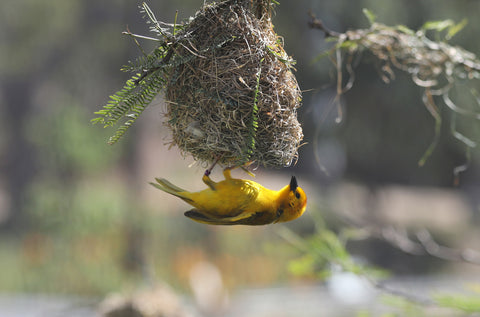
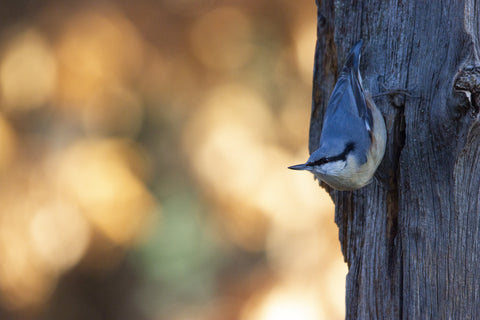
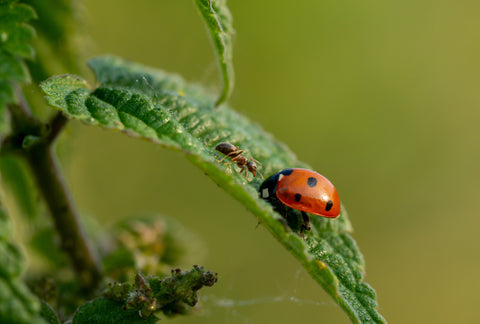
What exactly is biodiversity? The answer is simple: a garden is never entirely yours alone. All sorts of life exist outside. Snails leaving slimy trails on the patio tiles, a sparrow finding the perfect spot for a nest, or a beetle happily crawling across a leaf. Simply put, biodiversity is everything that lives or has lived. More literally: the diversity of life. From frogs and butterflies to bacteria and fungi.
Why is biodiversity in the garden important?
When it comes to why more biodiversity in the garden is important, it mainly concerns the balance of all living things. For example, bees are crucial for the growth of many plants, these plants provide food for insects, and insects are eaten by birds. By finding the right balance, Mother Nature remains happy, and so do we. Good biodiversity affects air and water quality, nutrition, and liveability.
Let it grow wild
Are you usually one for a neatly raked garden? For more biodiversity, it's time to ease up a bit. You don't have to let the garden completely go to seed, but let weeds stand a little more often and don't immediately clear away raked leaves. Also, only prune plants after winter. All these things can serve as shelter or food for insects and small animals. Or create various shelters in your garden with a bumblebee, toad or ladybug pot
Beautiful mix
A variety of plants is perfect for garden biodiversity. Think of a beautiful combination of ground cover and flowering garden plants. There are even special flower mixes to attract extra butterflies and bees to the garden, for example. But there are also perennial, annual plants and shrubs that are especially attractive to bees and butterflies. Consider, for example, planting organic spring bulbs. Crocuses bloom from February and provide food for the earliest bees and bumblebees. In addition to summer bloomers, there are also various autumn bloomers that are still good for bees and butterflies.
Source: VT Wonen