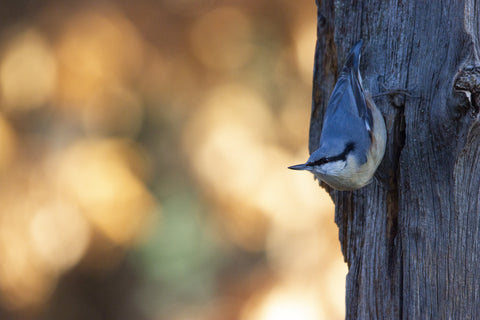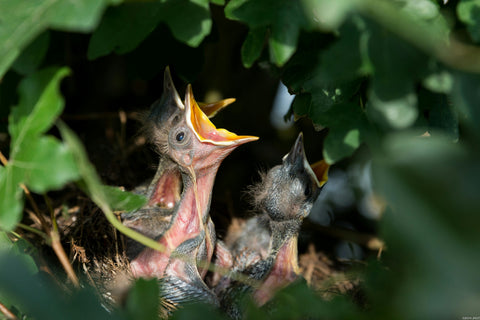

February is a month of transition. The first signs of spring begin to appear, and birds and insects slowly become more active. This is the perfect time to start preparing for a vibrant, biodiverse garden in spring. In this blog, you'll discover how to get your garden ready and how ceramic products can help.
The first steps to a flourishing garden
Although February can still have wintry days, there are several ways to prepare your garden for the new growing season.
1. Provide shelters and nesting sites
Birds and insects start looking for suitable shelters and nesting sites this month. By hanging up nesting boxes and insect houses now, you offer them a safe place. Insect houses are ideal for solitary bees and ladybugs. These insects play an important role in biodiversity by pollinating plants and controlling pests like aphids.
2. Prepare your garden structure for winter
February is also a good time to strategically leave branches and leaves. This provides protection and nourishment for small animals such as hedgehogs, insects, and soil organisms. Leave old branches and leaves in a corner of the garden. This serves as natural compost and provides shelter. Prune carefully, but leave the last berries and seed pods for birds still looking for food.
3. Consider water sources
Although it's still chilly, birds and insects need water. Make sure drinking and feeding bowls are available. Add a ceramic drinking bowl with clean water and small stones to give insects and birds a safe place to drink. Refresh the water regularly to keep it clean and ice-free. Place the bowl in a sunny spot so the water thaws faster on cold days.
How ceramics help in a biodiverse garden
Ceramic products are durable, weather-resistant, and add a natural look to your garden. Our handmade insect houses, nesting boxes, and feeding bowls help you provide a safe place for animals while making your garden look charming and well-maintained.